What “Zero Electric Bill” Really Means
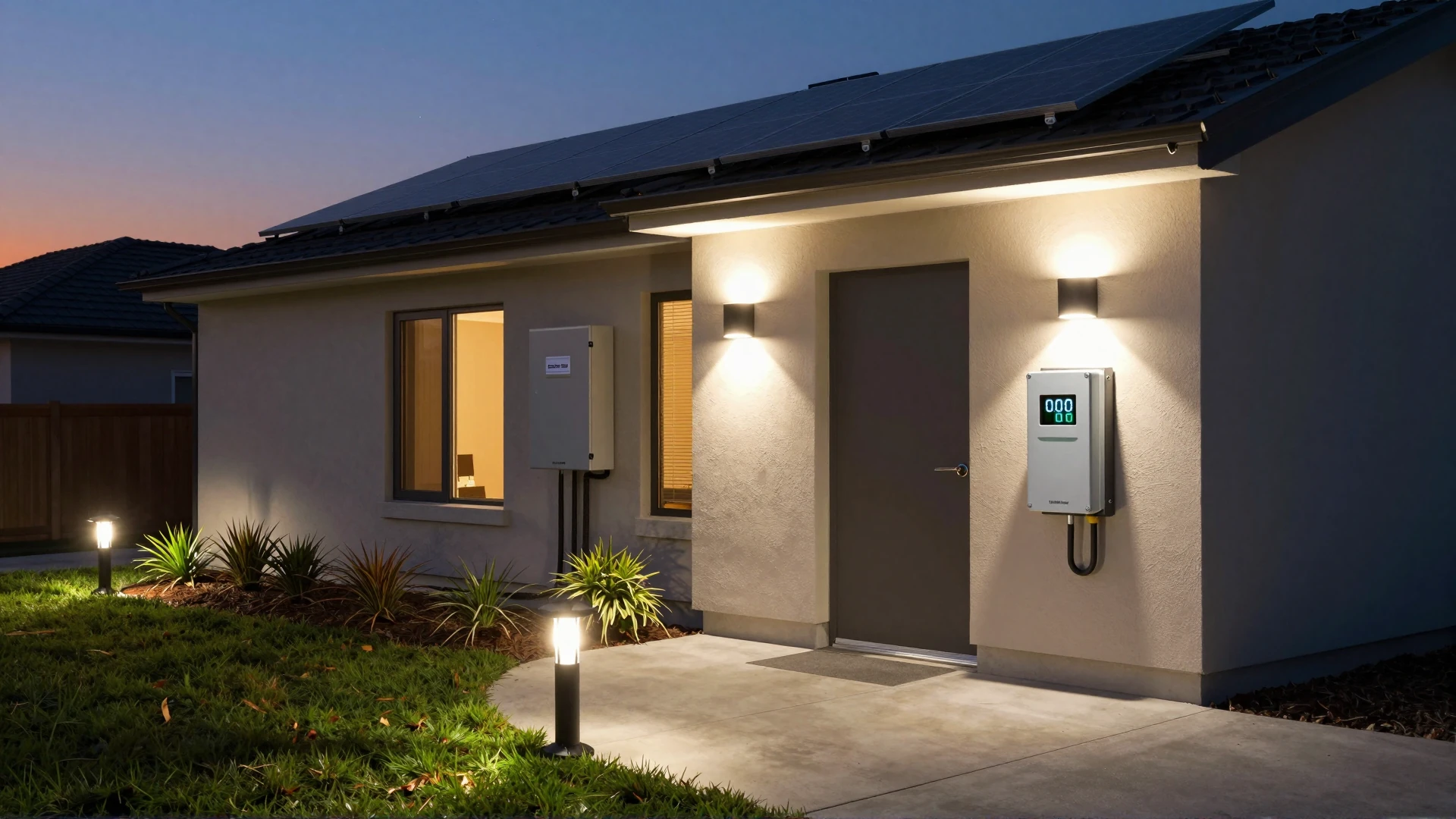
Zero-bill lighting means your lights operate off-grid, powered by a small solar panel, battery, and high‑efficiency LEDs. After purchase and installation, operating energy costs are effectively zero because the sun is free. You also avoid trenching and meter fees that wired lights can require, a common total-cost win noted by Induction Lighting Fixtures and AGC LED. Helios Energy reminds us that while upfront cost is higher than conventional lights, smart design and controls bring long-run savings and resilience.
Core Pieces And How They Work
A self-contained solar light combines a photovoltaic panel, charge controller, battery, and LED luminaire. The panel charges the battery by day; the controller prevents over/under‑charge and activates LEDs at dusk. LEDs deliver high lumens at low watts (luminous efficacy), so you get the brightness you need from a smaller panel and battery, as explained by Fonroche. For outdoor reliability, look for weather-rated housings (IP65–IP67), UV‑resistant lenses, and corrosion-resistant materials, per Energy.gov and AGC LED.
Size For All‑Night Light (And Cloudy Days)
Think in three numbers: required lumens (brightness), nightly runtime, and days of autonomy. Typical solar lights run 6–12 hours per charge, says Butler Lighting; in winter, runtime can drop 30–50% unless you upsize, per Energy.gov. Sunlurio recommends designing for at least 2–3 nights of autonomy, using higher-efficiency panels (about 15–22%) and lithium batteries (Li‑ion/LiFePO4) for cycle life and cold-weather performance. Pair those with smart controls (dimming, motion) to stretch runtime without sacrificing safety, a tactic Helios Energy endorses.
Pick The Right Fixture For The Job
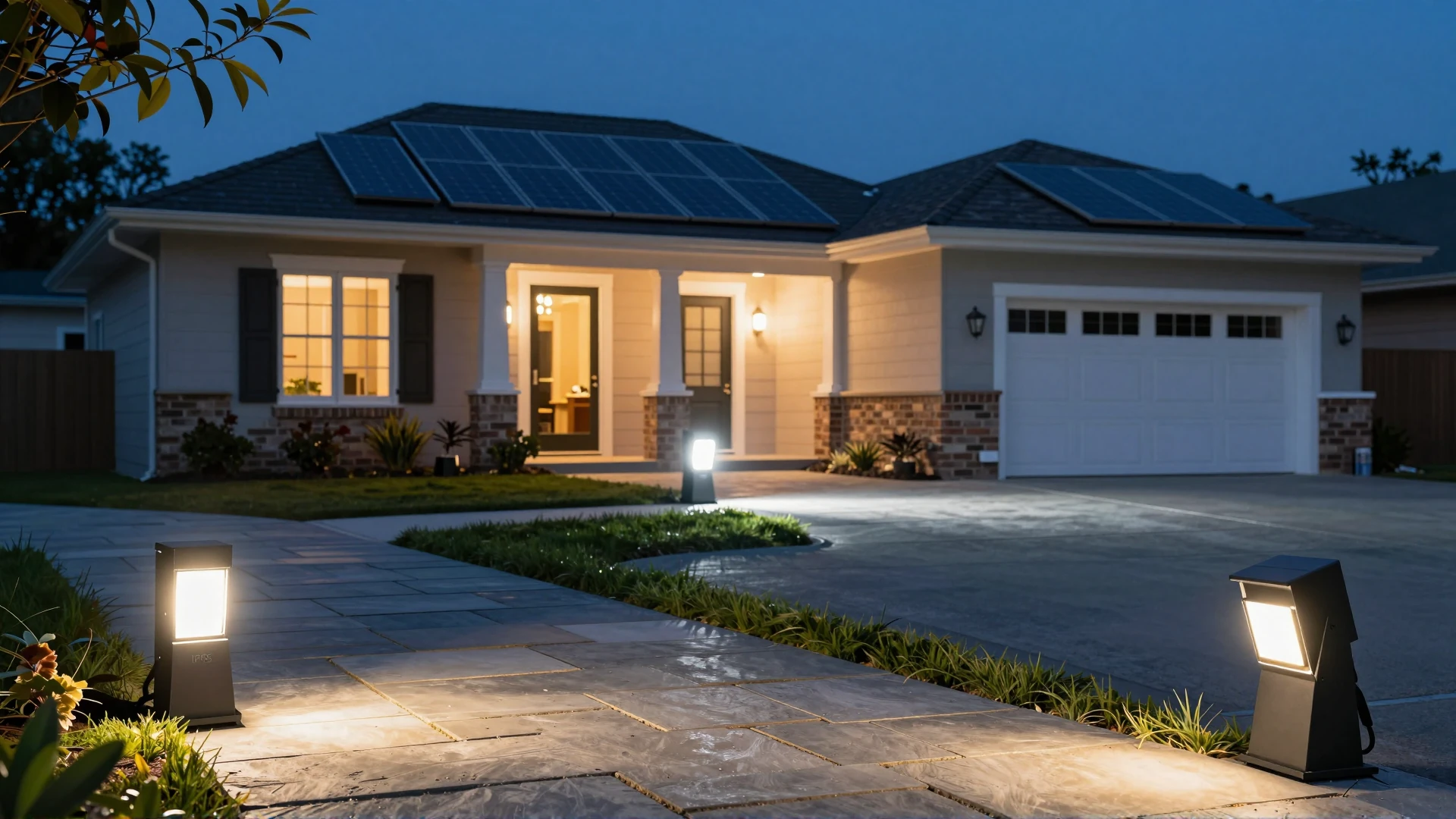
Brightness is measured in lumens, not watts. For ambiance, use lower lumen outputs; for visibility and security, go higher. Butler Lighting, LumaZlife, and Fonroche offer practical bands you can use when planning.
| Use case | Target lumens | Preferred CCT (K) | Min IP |
|---|---|---|---|
| Paths/steps | 100–200 | 2700–3000 (warm) | IP65 |
| Patio/ambient accents | 50–200 | 2700–3000 (warm) | IP44–65 |
| Entry/driveway security | 700–1500 | 4000–5000 (neutral) | IP65–66 |
| Large yard/flood | 1000–3000 | 4000–5000 (neutral) | IP66 |
| Street/perimeter (select) | 3000–6000 | 3000–4000 (warm‑neutral) | IP66–67 |
Color temperature shapes mood: warm light feels cozy, cool light reads crisp, as noted by Hykoont and Arrow Energy. For dark‑sky sensitivity, favor warmer CCTs and full‑cutoff optics (Fonroche/SEPCO).
Installation, Controls, Maintenance
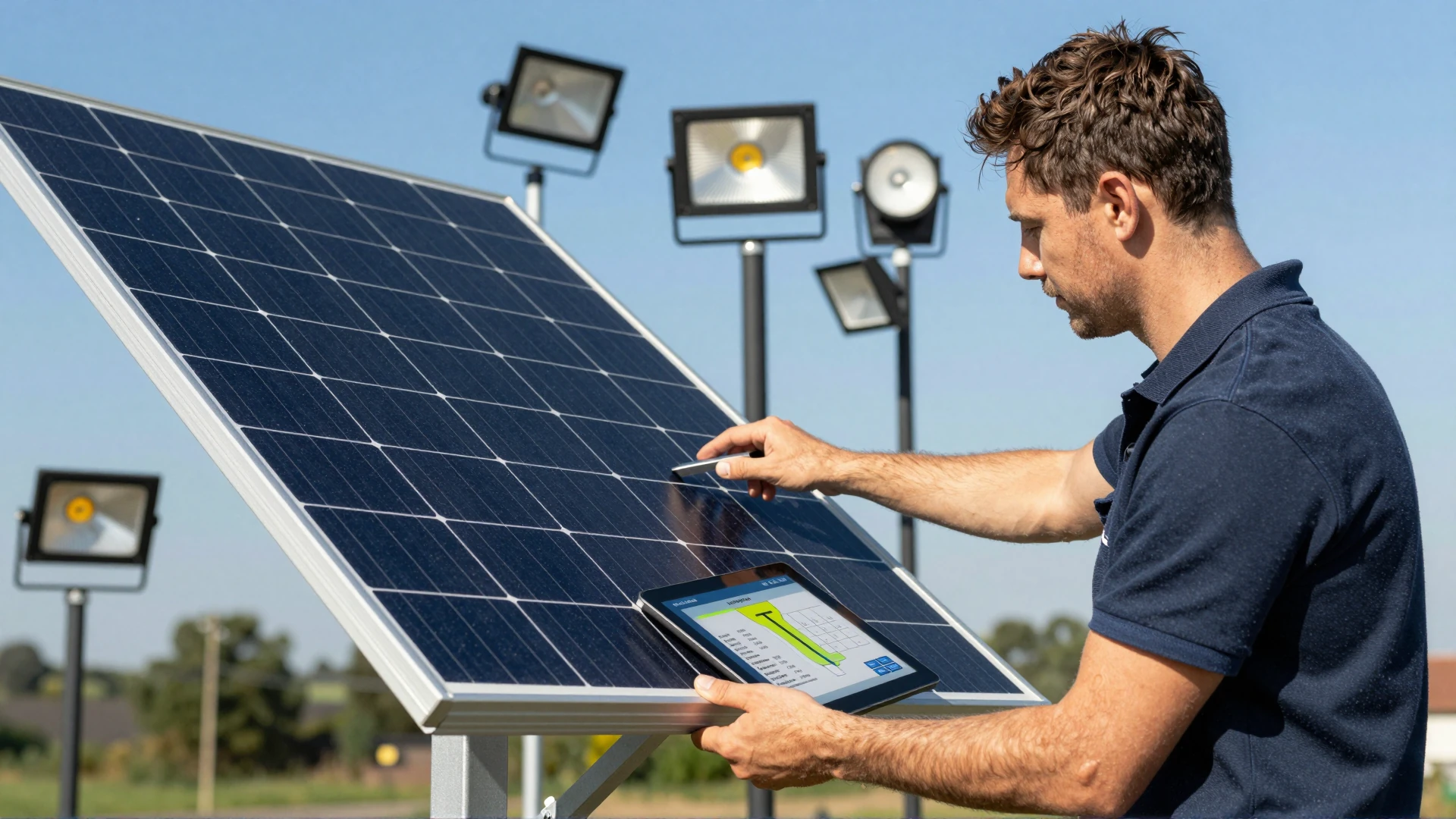
- Site and mount: Give panels 6–8 hours of direct sun; avoid shading by eaves, trees, and late‑day obstructions (Energy.gov). Face panels toward the equator and tilt near local latitude.
- Program smarts: Use dusk‑to‑dawn with motion boosting and scheduled dimming to cut energy use and preserve battery life (Helios Energy, Fonroche).
- Maintain lightly: Clean panels quarterly; dust and pollen can meaningfully reduce charge. Energy.gov notes winter run times fall without upsizing; cleaning helps. Replace batteries every 2–5 years depending on chemistry and climate; inspect seals and fasteners seasonally.
When Zero‑Bill Works—And When To Go Hybrid
Zero-bill solar is ideal where trenching is costly or disruptive (trails, gardens, driveways, remote lots), and where occasional dimming is acceptable during long storms. If you need uninterrupted, full-brightness lighting in shaded sites or harsh winters, consider a hybrid solar + grid backup or oversize the system with added autonomy, a design path Helios Energy recommends for critical areas. For commercial sites, Sunlurio’s guidance to validate photometrics and autonomy with a short pilot is smart insurance.
What Most Guides Miss
Design to your worst month of sun, not the average—winter undersizing is the top cause of “it used to last all night” complaints. Also, buy lumens and battery watt‑hours, not marketing watts; efficacy and storage—not panel headline watts—determine real‑world brightness and runtime (Fonroche, SEPCO).
Quick FAQ
- Do solar lights work in winter? Yes, but expect shorter runtime; plan 30–50% less without upsizing, says Energy.gov.
- How bright is “enough”? Paths feel safe at roughly 100–200 lm; driveways and entry zones often need 700+ lm; large yards 1000+ lm (Butler Lighting, LumaZlife).
- What battery should I choose? Lithium (Li‑ion/LiFePO4) offers better cycle life and cold performance than NiMH/lead‑acid; expect 2–5 years with light maintenance (Induction Lighting Fixtures, Arrow Energy).
- Can solar lights run indoors? Yes—if their panel sits outside in sun and the lamp is cabled inside, per Butler Lighting.
- Are they durable in rain? Look for IP65–IP67 with quality gaskets and housings; keep connectors sealed and panels clean (AGC LED, Energy.gov).
As a practical note from off‑grid installs: small placement tweaks and motion‑based dimming do more for reliability than any single component upgrade. And the non‑energy benefits are real—better safety and resilience in outages—while operating costs remain near zero. Studies summarized by the Kleinman Center also show meaningful household benefits when solar lighting displaces costly, inconvenient charging and dim lighting.

Olivia Martin
Olivia Martin is part of the Farseen editorial team.