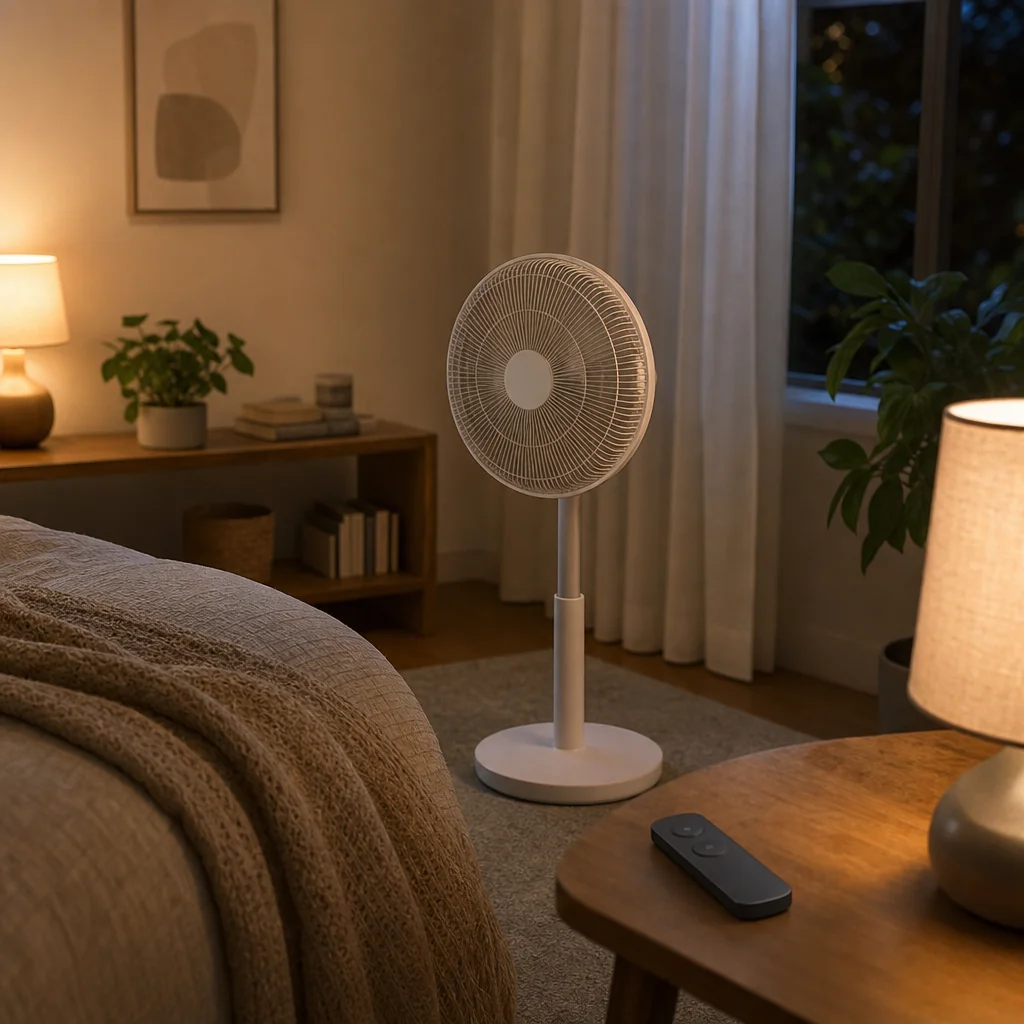
A remote control solar fan matters when it helps you manage comfort, battery use, and hard-to-reach operation in an off-grid space. It is most useful when better timing and easier control reduce wasted energy.
A remote control solar fan matters when your fan is part of an off-grid comfort plan, not just a convenience purchase. It becomes genuinely useful when you need to manage airflow, battery use, and hard-to-reach operation without wasting limited solar power.
Is your sleeping loft still hot after sunset, or is your shed turning into an oven because the fan is mounted where you cannot easily reach it? In real off-grid use, the benefit is not fancy control for its own sake. It is being able to move air exactly when and where it helps, without adding wiring, climbing, or unnecessary battery drain. This article gives you a clear way to tell whether a remote is worth paying for, when it is just a gimmick, and how to choose the right setup.
Why This Question Matters More Off the Grid
A remote control matters more in off-grid spaces because off-grid systems have no grid fallback, so every watt and every inconvenience shows up faster. In a grid-connected house, walking over to a fan or letting it run a little longer than needed is usually trivial. In a cabin, greenhouse, workshop, RV, or tiny home, that same habit can mean draining a battery bank deeper than planned, missing nighttime airflow, or forgetting to turn on a fan mounted 10 ft up near the ceiling.
That is also why solar fans keep finding buyers in residential and off-grid settings: the residential segment leads solar fan demand, and the category keeps expanding because small cooling and ventilation loads are one of the easiest jobs for solar to handle. In practice, fans sit in a sweet spot. They draw far less power than air conditioning, yet they often make a room, porch, coop, or equipment shed feel dramatically more usable.
What a Remote Control Changes in Real Use

A remote changes the fan from a fixed appliance into a controllable load. That matters because off-grid system planning starts with matching loads to available energy, and even a modest fan becomes easier to live with when you can cut speed, change runtime, or shut it off without walking back into a hot room.
In the field, the biggest benefit is usually not bragging rights. It is simple timing. If your loft fan is pulling hot air out at 3:00 PM, then your battery-backed fan is still running at 9:00 PM, a remote lets you drop it from high to low the moment the outside air cools. If your greenhouse fan is mounted above benches, or your shed exhaust fan is bolted under a roof overhang, remote access saves repeated trips and makes it much more likely that you will actually use the fan efficiently.
There is a broader precedent for why remote control can matter in solar gear. In pay-as-you-go home solar, two-way remote control and monitoring improved operations because they reduced wasted trips and made systems easier to manage from a distance. A fan is much simpler than a solar home system, but the principle carries over: remote access matters when it removes friction from daily energy management.
When a Remote Control Is Worth It
Hard-to-Reach Mounting
A remote is worth it when the fan is mounted in a place you cannot comfortably reach every time. Ceiling fans in cabins, vent fans in barns, and solar exhaust fans in attic-style sheds are obvious examples. If you need a stool, ladder, or awkward stretch just to change speed, remote control stops being a luxury and becomes part of safe operation.
This is especially true in homes designed around passive solar gain and natural ventilation, where passive design and demand reduction come before adding more equipment. Once you do add a fan, you want it to support that design, not fight it. A remote helps you react when the sun shifts, when an evening cross-breeze arrives, or when the upstairs space suddenly gets warmer than the first floor.
Battery-Backed or Hybrid Use
A remote matters more when the fan has a battery or a hybrid solar-plus-AC setup. With a direct-solar fan that only runs in bright sun, your control options are limited by the weather anyway. Once storage enters the picture, the decisions start to matter: how long should it run, at what speed, and during which part of the day?
That tradeoff is familiar across off-grid solar. Battery storage lets renewable power be shifted in time, but stored energy is valuable, and deeper discharge generally means more wear and less cushion for other loads. In a small system, letting a fan run at full speed through the evening can be harmless, or it can be the reason your lights dim earlier than expected. A remote makes it easier to trim runtime in the moment instead of promising yourself you will go back and do it later.
Night Comfort in Small Spaces
A remote is often worth it in RVs, tiny homes, lofted cabins, and bedrooms where comfort depends on airflow after sunset. Small off-grid spaces usually have enough solar for lights, charging, and efficient appliances, but not enough to be careless about overnight loads. These setups are often sized carefully around realistic use and budget.
In those spaces, the best-case use is simple: pre-cool or purge hot air in late afternoon, run medium or high while the room is hottest, then click down to low from bed. That is where a remote earns its keep. You get more comfort without needing a larger battery bank just to support sloppy fan use.
When It Barely Matters
A remote barely matters if the fan is portable, always within arm’s reach, and only used in full sun. A small patio fan, campsite fan, or bench-top workshop fan already gives you easy access. In that case, panel size, motor efficiency, and battery quality matter more than remote features.
It also matters less if your broader system design is weak. Most off-grid problems come from undersized solar, undersized battery storage, or unrealistic expectations, not from lacking remote control. If your fan cannot make it through cloudy weather, if the panel is too small for the airflow you want, or if the battery is tiny, a remote will not solve the core issue.
The Practical Tradeoff: Control vs. Complexity
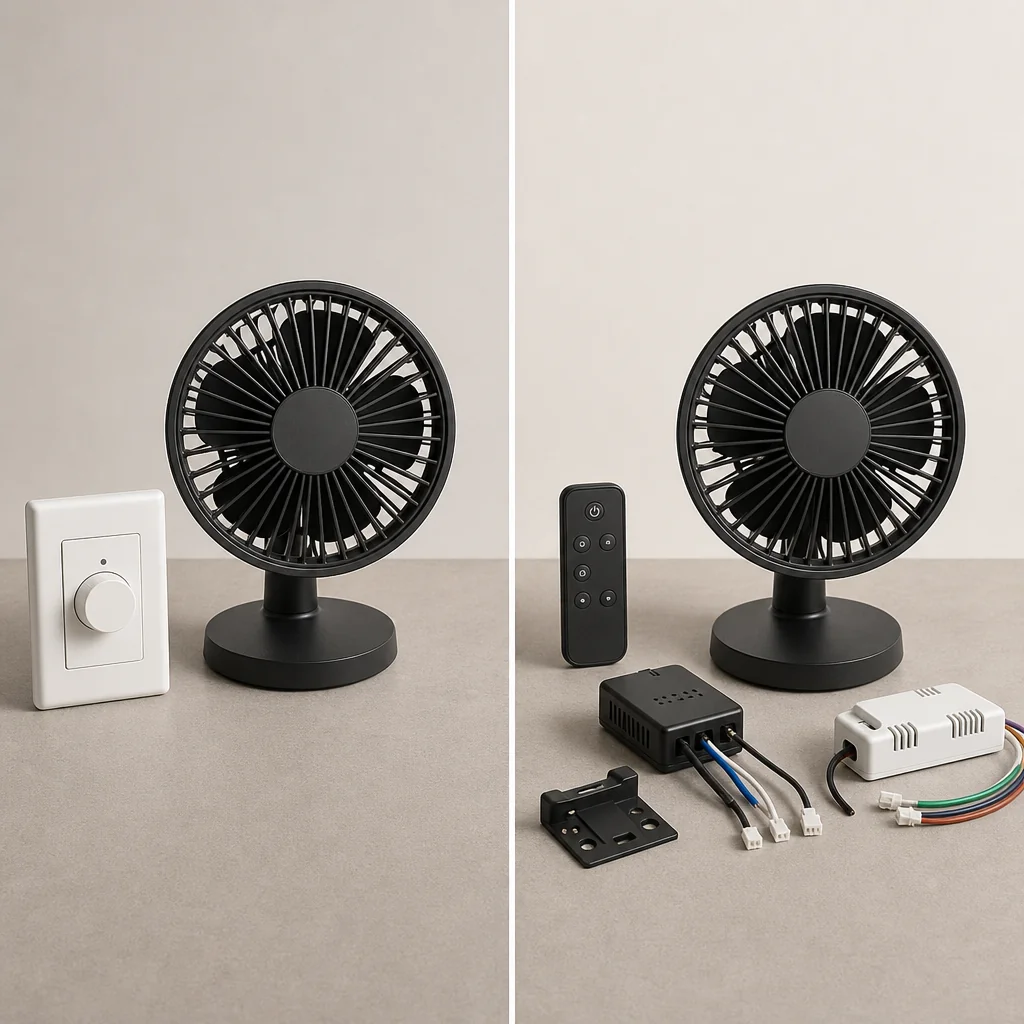
Remote control adds convenience, but it can also add another failure point. The best solar gear tends to win by being simple enough to trust, especially in rough outdoor use. That is why many off-grid users still favor straightforward DC loads and efficient components such as BLDC fans, then add only the controls that improve real operation.
Still, that does not mean every buyer needs app control, cloud features, or a bundled sensor package. For many cabins and homesteads, a basic handheld remote with speed settings and a timer is the sweet spot. It gives control without turning a fan into another gadget you have to troubleshoot.
A Simple Way to Decide
Use this test: if changing the fan’s speed or runtime from where you sit would save effort, save battery power, or improve comfort at least once a day, the remote probably matters. If you would only use it because it sounds nice in theory, it probably does not.
| Situation | Does the remote matter? | Why |
|---|---|---|
| Ceiling fan in a lofted cabin | Yes | Hard to reach and often used at night |
| Solar exhaust fan in a shed or coop | Yes | Mounted high and used for timed ventilation |
| Portable patio solar fan beside your chair | Usually no | Easy to reach, with little operational friction |
| Battery-backed fan in an RV bedroom | Yes | Helps manage overnight comfort and battery use |
| Direct-solar daytime fan in a sunny workshop | Maybe | Useful only if mounting makes access annoying |
What to Look For If You Buy One
Look for a remote-controlled solar fan with an efficient DC motor, clear speed steps, and a timer or sleep mode. If you need evening use, battery backup matters more than premium remote features. If the fan will live outdoors, weather resistance and a sturdy mount matter more than app integration. If your off-grid setup is already tight on energy, choose a fan whose airflow is good enough on low speed, because that is where the remote delivers the most value.
The best remote-controlled solar fan is not the one with the longest feature list. It is the one that helps you use limited solar energy more deliberately in the specific hot, awkward, off-grid moments where manual control becomes a chore.

Ethan Parker
Ethan Parker is part of the Farseen editorial team.